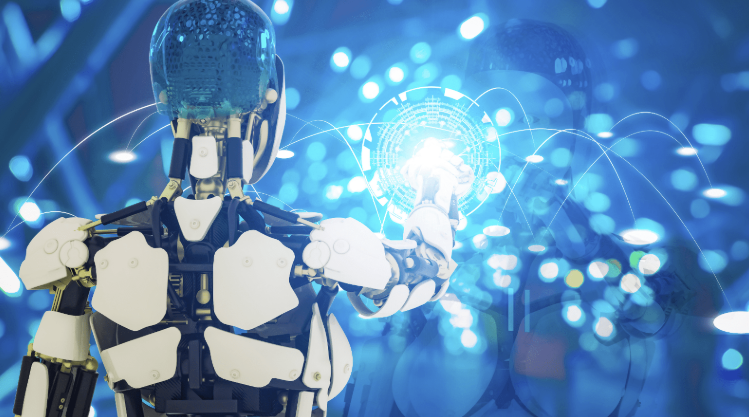
Human augmentation technology is on the brink of transformative change. Innovations in neural interfaces and biohacking promise to significantly enhance both mental and physical capabilities. Yet, as these technologies advance, they prompt pressing ethical questions and societal implications. The potential for a divide between augmented and non-augmented individuals looms large, raising concerns about equity and access. How society navigates these challenges will shape the future of human enhancement in profound ways.
The Rise of Human Augmentation: What to Expect
As technology continues to advance at an unprecedented pace, the field of human augmentation is poised for significant transformation.
These technological advancements promise to redefine human capabilities, yet they necessitate careful consideration of societal acceptance.
As the boundaries of ethics and innovation blur, a dialogue emerges about the implications of such enhancements, challenging individuals to navigate the delicate balance between progress and personal freedom.
Enhancements in Physical and Cognitive Abilities
Recent advancements in human augmentation technology have led to remarkable enhancements in both physical and cognitive abilities, fundamentally altering how individuals interact with their environments and themselves.
Innovations in neural interfaces enable seamless communication between the brain and devices, while emerging biohacking trends empower users to optimize their mental and physical performance, fostering a new era of personal freedom and capability enhancement.
Ethical Dilemmas: Balancing Innovation and Morality
While the potential of human augmentation technology to enhance capabilities is immense, it is accompanied by a host of ethical dilemmas that challenge the moral framework of society.
Consent issues arise as individuals may feel pressured to adopt enhancements, while equity concerns highlight disparities in access, risking a divide between the augmented and non-augmented.
Thus, careful consideration is essential to navigate these complex moral landscapes.
See also: kiolopobgofit
The Social Impact of Human Augmentation Technologies
Human augmentation technologies possess the potential to transform societal structures and interpersonal dynamics significantly.
As these advancements emerge, they may challenge existing notions of social equity, potentially widening the gap between those who can access enhancements and those who cannot.
Public perception will play a crucial role in shaping acceptance, driving discourse around ethical use, and determining the technologies’ societal integration and impact.
Conclusion
As humanity stands at the precipice of a new era in augmentation technology, it is imperative to tread carefully. This journey, akin to walking a tightrope, requires a balanced approach to innovation and ethics. The potential for enhanced capabilities must be tempered with a commitment to inclusivity and equity. By fostering open dialogue and mindful practices, society can harness the transformative power of human augmentation, ensuring it uplifts rather than divides, illuminating a path toward a more equitable future.