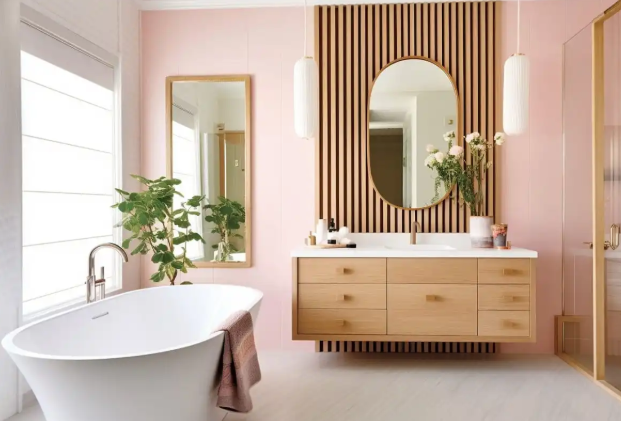
Layered lighting redefines a compact bath by balancing function with mood. Ambient glow opens the space, task lighting sharpens grooming zones, and subtle accents reveal architectural angles. The choice of bulbs—high CRI, thoughtful color temperature—shapes perception without overwhelming. Finishes must resist moisture and align with mirrors and outlets for a clean, safe flow. The result feels larger, calmer, and unexpectedly versatile, inviting a closer look at how each fixture could transform the next small bathroom.
How Layered Lighting Transforms a Small Bathroom
Layered lighting reshapes a small bathroom by balancing function with mood, turning compact spaces into rooms that feel larger and more usable. Strategic layering blends ambient, task, and accent layers, guiding movement and enhancing perception. In a compact footprint, layered lighting reveals depth, highlights architectural angles, and creates a breathable atmosphere. The small bathroom becomes versatile, inviting, and visually expansive without clutter.
Task, Ambient, and Accent: The Three Essential Fixtures
To design a functional bathroom, the three fixture types—task, ambient, and accent—work in concert to balance clarity with mood. Task lighting focuses illumination where hands perform precise work, while ambient lighting softens the room’s overall tone. Accent elements introduce texture and color, guiding the eye without glare, ensuring flexible use without sacrificing atmosphere or personal expression.
How to Choose Bulbs, Finishes, and Color Temperature
Selecting bulbs, finishes, and color temperature is a practical, design-aware task that shapes both function and mood in a bathroom. The writer discusses bulb choice with care, noting brightness, CRI, and compatibility with fixtures. Finishes influence reflections and durability, while color temperature guides ambience—warm for relaxation, cool for clarity. Balanced choices empower freedom without sacrificing performance or style.
Practical Layouts: Placement Tips for Safety and Style
Symmetry and flow govern bathroom layouts as much as lighting choices do, guiding practical placement for safety and style. In planning, fixtures align with power sources and mirrors to minimize glare while maximizing task illumination. Consider zones: wet, dry, and storage, ensuring pathways remain clear.
This mindful arrangement sustains bathroom safety and style balance, encouraging free, confident movement through the space.
Frequently Asked Questions
How Much Does Bathroom Lighting Impact Resale Value?
A bathroom’s lighting impact modestly boosts appeal; it signals care and quality. In resale terms, well-lit spaces can elevate perceived value, aiding negotiations, while excessive or dated fixtures may deter. Overall, tasteful lighting supports stronger bathroom resale outcomes.
Can Smart Bulbs Be Dimmed Without Hubs?
Smart bulbs can dim without hubs, though performance varies by model. Some Bluetooth or Zigbee-compatible options allow direct dimming, while others require a bridge later. Bulbs dimming without hubs depend on built-in app or scene support.
Are LED Lights Safe for Humidity-Prone Bathrooms?
LEDs are generally safe in humidity-prone bathrooms when they meet proper LED safety standards and have a suitable humidity rating; however, choose fixtures rated for damp or wet locations and ensure electrical components remain protected.
See also: Green Technology and Sustainability
What’s the Ideal Color Temperature for Makeup Tasks?
The ideal color is about balance: a cool-to-neutral spectrum fosters makeup accuracy, supports humidity safety, and reinforces LED longevity; thus, a color temperature around 3500–4000K suits tasks, providing crisp detail and a freedom-loving, precise ambiance.
Do Ceiling Fixtures Affect Bathroom Ceiling Height Visually?
Ceiling fixtures can subtly alter ceiling height perception; when installed flush or with slim profiles, they promote a taller visual illusion. Conversely, bulky or protruding designs may compress the space, diminishing the ceiling height’s perceived openness.
Conclusion
In the end, the small bathroom becomes a quiet-stage where light remembers its audience. Layered layers, like careful footsteps, guide the eye through the room, revealing every angle without shouting. The bulbs, finishes, and temperatures converse in a restrained chorus, suggesting warmth just beyond reach. As if an unseen hand rearranges shadows, the space expands, inviting a moment of calm amid routine. A subtle allusion—the promise that good lighting knows the house better than any mirror.