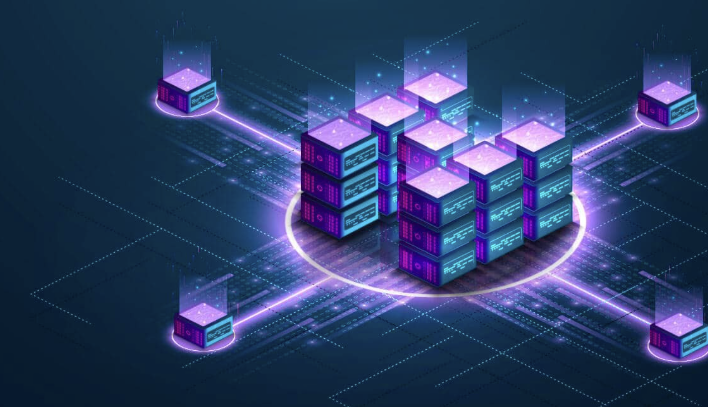
Blockchain-driven economic innovation converges distributed ledgers, tokenization, and DeFi to reframe value exchange and governance. It emphasizes interoperable standards, cross-institution processes, and programmable assets that enhance capital efficiency and transparency. Yet practical adoption hinges on robust security, privacy governance, and scalable regulation. Governance must balance compliance with innovation while data-driven liquidity and cross-chain composability shape risk controls. The path forward demands interoperable onboarding and collaborative evolution across networks, leaving unresolved questions about long-term resilience.
What Blockchain-Driven Innovation Really Means
Blockchain-driven innovation refers to the systematic deployment of distributed ledger technologies to reimagine, optimize, and securely coordinate value exchange, governance, and information flows across institutions.
The concept analyzes mechanisms, incentives, and risk if adopted widely.
It evaluates tokenization ethics and interoperability governance, mapping performance metrics, governance structures, and cross-network compatibility to clarify how decentralized systems influence economic coordination, accountability, and freedom within institutions.
Tokenization, DeFi, and the New Asset Class Frontier
Tokenization, decentralized finance (DeFi), and the emergence of new asset classes represent a convergent frontier in which traditional financial primitives are reinterpreted through programmable, permissionless networks.
This analysis assesses tokenization governance structures and the potential for standardized interoperability, revealing data-driven pathways to liquidity, risk transmission, and price discovery.
DeFi interoperability emerges as essential to cross-chain composability and scalable, resilient market ecosystems.
Building Open, Interoperable Economies: Governance and Standards
Building open, interoperable economies requires a governance and standards framework that can harmonize diverse tokenized assets, DeFi primitives, and cross-chain protocols into scalable, resilient ecosystems.
The analysis emphasizes interoperable token flows, standardized metadata, and transparent consensus.
Governance frameworks must balance innovation with risk controls, enabling interoperable marketplaces, auditable compliance, and collaborative protocol evolution across heterogeneous ecosystems for long-term freedom and resilience.
Risks, Regulation, and Practical Adoption for Businesses
How should enterprises navigate the confluence of risk, regulation, and practical adoption as blockchain-enabled business models scale?
Organizations assess privacy governance, compliance cost, and operational resilience via cross-functional metrics.
Market-ready frameworks emphasize interoperability, risk-adjusted ROI, and transparent governance.
Policymaking converges with standards, while adoption hinges on scalable onboarding, clear data lineage, and robust security controls to sustain innovation.
Frequently Asked Questions
How Can Small Businesses Measure ROI From Blockchain Initiatives?
ROI from blockchain initiatives for small businesses is measured via defined ROI metrics and Governance ROI, incorporating cost savings, process efficiency, and stakeholder value; the approach blends finance, operations, and policy analysis to reflect freedom-minded results.
What Are the Hidden Costs of On-Chain Governance?
Hidden costs include governance tradeoffs and privacy controls as stakeholders weigh interoperability benefits against cross chain standards, data ownership, and on chain incentives; governance transparency impacts efficiency, requiring rigorous measurement of costs, benefits, and potential competitive advantages for freedom-seeking entities.
How Do Privacy and Data Ownership Work on Public Ledgers?
“Break the ice” on privacy and data ownership: public ledgers reveal transactions, yet privacy economics relies on pseudonymity, selective disclosure, and cryptographic proofs. Data ownership mechanics mandate verifiable controls, consent rails, and interoperable rights across ecosystems.
See also: Green Technology and Sustainability
Which Industries Benefit Most From Cross-Chain Interoperability?
Cross-chain interoperability benefits financial services, gaming, and supply chains most, leveraging cross chain gateways and interoperability standards to boost liquidity, reduce frictions, and enable multi-system analytics; data-driven, interdisciplinary insight supports freedom-oriented, decentralized risk management.
What Practical Skills Do Teams Need to Implement Blockchain Projects?
“Many hands make light work.” Practical governance and scalable modularity shape teams: they need cross-disciplinary skills in cryptography, smart contracts, security auditing, DevOps, data analytics, risk management, and stakeholder communication to implement blockchain projects effectively.
Conclusion
In this ecosystem, blockchain acts as a clearinghouse of trust, a lighthouse guiding opaque processes toward transparent corridors. Tokenization stitches disparate assets into a single, navigable map; DeFi provides a tidal flow of liquidity that rises and falls with data-driven signals. Interoperable standards serve as bridges, enabling cross-chain caravans. Governance sits as the compass, balancing innovation with risk controls. The result is a latticework that channels capital, information, and governance toward resilient, scalable collaboration.